Construction sites are some of the loudest work environments, where heavy machinery, power tools and equipment create constant noise that can reach levels harmful to hearing. Despite the obvious risks, hearing protection often receives less attention than other forms of safety gear. Hard hats and safety vests are considered essential, yet the long-term effects of noise exposure can be just as damaging as more visible workplace hazards. Over time, repeated exposure to loud sounds can gradually affect how well workers hear, often without noticeable warning signs.

Because these changes develop slowly, many workers may not realize their hearing has been affected until communication or focus on the job becomes more difficult. Regular hearing evaluations with an audiologist help catch these shifts early and provide guidance on proper protection strategies. Making hearing care a standard part of construction safety practices allows workers to protect their hearing while maintaining awareness of their overall health. This approach supports not only job performance but also long-term quality of life beyond the worksite.

How Loud Sounds Impact Hearing Over Time

Loud sounds can gradually damage the tiny hair cells inside your ears. These hair cells send sound signals to your brain, and once they are damaged, they do not recover. Repeated exposure to high noise levels can make it harder to hear soft sounds or understand speech, especially in busy places. Even if you do not notice changes right away, the effects can add up and lead to lasting hearing problems.

Wearing proper ear protection on the job is important for preventing this kind of damage. Hearing protection also helps reduce your risk of experiencing ringing in your ears after being around loud equipment.

Reasons Hearing Loss Often Goes Unnoticed Without Testing

Hearing loss often goes unnoticed because changes can be slow and easy to miss. Your brain may adjust to these small changes, so you might not realize there is a problem until it affects your daily life. Some reasons hearing loss is often overlooked without testing include:

  • You may think others are mumbling or speaking too softly.
  • You might start relying on reading lips or watching facial expressions without realizing it.
  • Family and friends may notice changes before you do, but these signs can be missed if not discussed.
  • Background noise in busy places can make it hard to hear, which may start to feel normal over time.

Early Signs of Hearing Changes for Construction Workers

Early signs of hearing changes often appear during conversations or while working near loud equipment. You might find yourself asking others to repeat themselves, turning up the radio or struggling to understand speech when there is background noise. These signs can start gradually and may be easy to overlook at first.

Watch for these early signs: needing others to speak louder or repeat themselves, difficulty following conversations in noisy areas, sounds that seem muffled or unclear, feeling tired after listening for long periods and ringing in your ears after a shift. If you notice any of these issues, speak with an audiologist about your concerns. Early attention helps you take steps to protect your hearing and maintain safety at work.

Benefits of Detecting Hearing Changes at an Early Stage

Finding hearing changes early helps you keep your hearing as strong as possible for years to come. When problems are found sooner, an audiologist can suggest ways to protect your ears and how to prevent further damage. Early detection also helps you stay safe at work by making sure you can hear alarms, warnings and coworkers clearly. This leads to fewer misunderstandings and a lower risk of accidents.

Taking action right away gives you more options for managing your hearing health. You can continue enjoying conversations with friends and family, stay active in your community and feel more confident at work.

What to Expect During Annual Hearing Tests for Construction Workers

During your annual hearing test, an audiologist will ask about your work history and any changes you have noticed in your hearing. You may be asked about the types of equipment you use, how often you wear hearing protection and if you have experienced ringing in your ears or trouble understanding speech. These questions help understand your risk for noise-related hearing changes.

Here is what usually happens during the test:

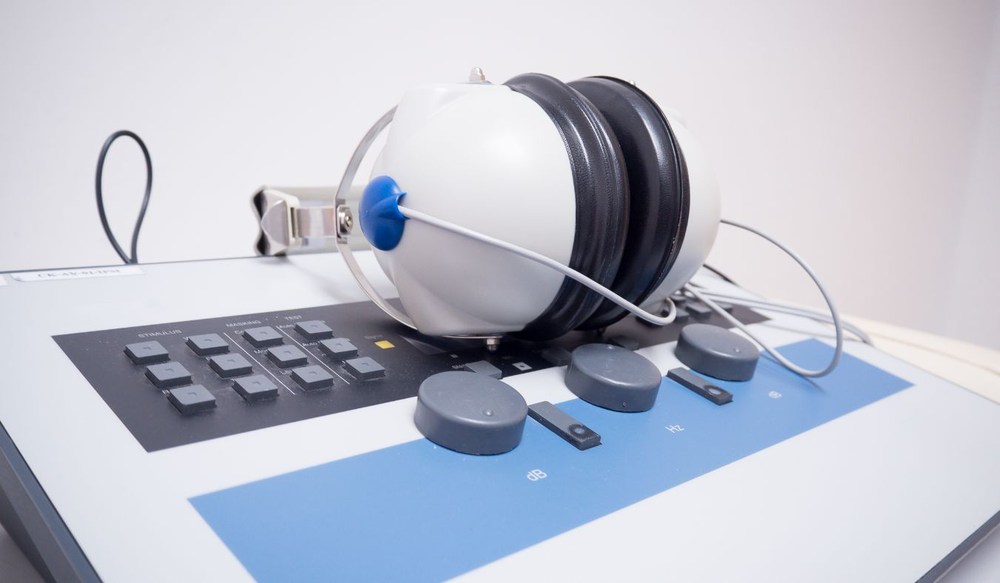
  • You will sit in a quiet room or booth with headphones on.
  • Several series of tones will be played at different volumes and pitches to see which sounds you can hear.
  • You may also be asked to repeat words or sentences played through the headphones to check how well you understand speech.
  • The results are recorded on a chart called an audiogram, which shows how well you hear different sounds.

Practical Ways to Protect Your Hearing on the Job

There are several simple ways to protect your hearing while working in noisy environments. Using the right equipment and following safe work habits can make a big difference. Many construction workers find these steps easy to include in their daily routine. Even small changes help lower your risk of long-term hearing problems. Some practical ways to protect your hearing on the job include:

  • Wearing properly fitted earplugs or earmuffs whenever you are around loud machinery or tools.
  • Taking regular breaks in quiet areas to give your ears time to rest.
  • Keeping equipment well maintained so it runs more quietly.
  • Standing as far away as possible from loud noise sources when you can.
  • Following workplace safety rules about noise exposure and using protective gear.

How to Schedule and Prepare for Your Annual Hearing Test

Scheduling your annual hearing test is simple and can usually be done by calling an audiologist or scheduling online. Choose a time when you are not rushed so you can focus on the appointment.

Before your visit, write down any changes in your hearing or questions you have noticed since your last test. Bring a list of any medications you take and be ready to talk about the types of noise you are exposed to at work.

Being prepared helps an audiologist understand your needs and gives you more control over your hearing health. Knowing what to expect makes the process less stressful and helps you get the most out of each yearly checkup. Regular testing keeps you informed about changes in your hearing, which supports safer workdays and better communication with others.

Why Annual Hearing Tests Matter for Construction Workers

Annual hearing tests are an important part of staying safe and healthy when working in construction. Even if you feel your hearing is fine, regular checks can find small changes before they become bigger problems. Early detection allows you to take steps to protect your ears, understand workplace risks and continue working safely.

If you work around loud machinery or notice any signs of hearing changes, consider scheduling a test with an audiologist. This step supports your long-term health and helps you stay alert on the job site. If you have questions about noise exposure or need advice on protecting your ears at work, reach out for guidance. Regular testing helps ensure your hearing remains strong and reliable.