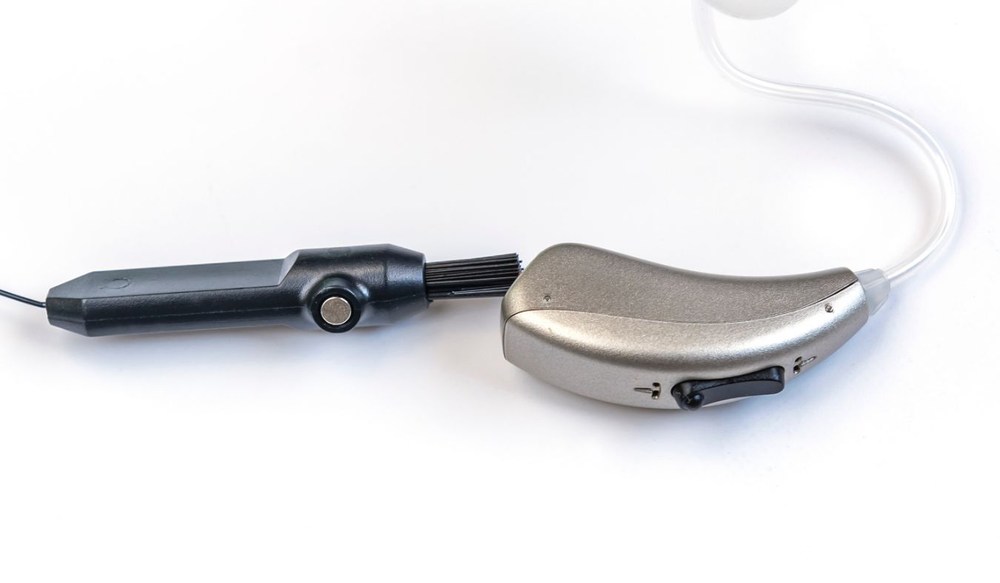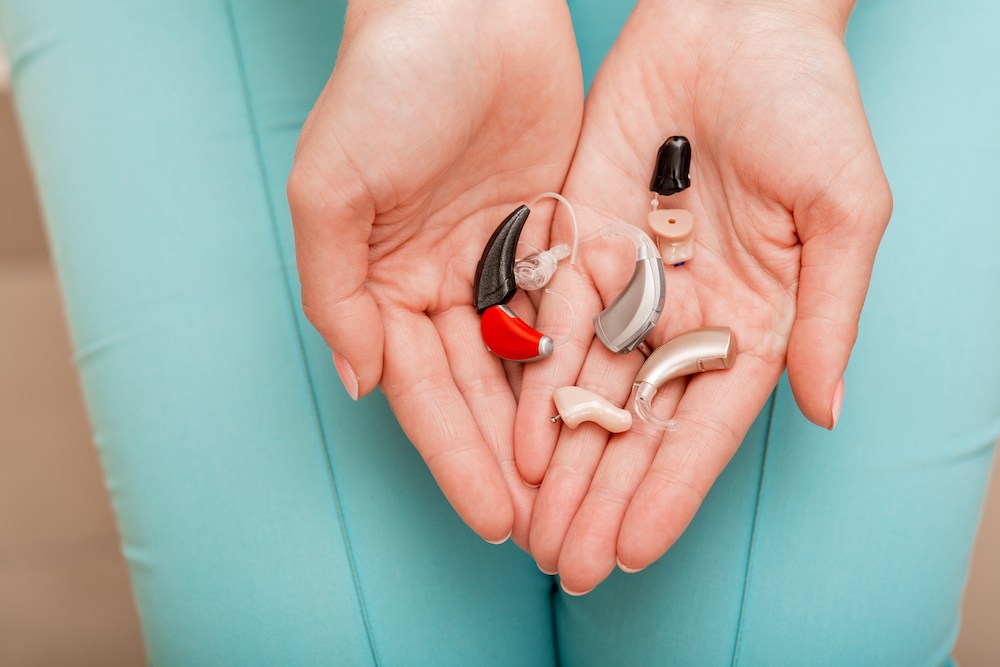
Hearing aids are an important tool for maintaining communication and staying engaged in daily life. Over time, they are exposed to earwax, moisture, dust and normal wear, all of which can affect how well they perform. Like any piece of technology that is used every day, they benefit from consistent upkeep to maintain reliability and sound quality.

Regular cleaning and maintenance are straightforward but make a noticeable difference in performance and lifespan. Taking care of hearing aids can reduce the need for repairs, improve sound clarity and protect the lifespan of your hearing aids. Learning the basics of proper care helps ensure your devices continue to work as intended. While an audiologist can offer tailored advice, there are also simple daily and weekly steps that can help keep hearing aids in good working condition.

Why Cleaning Hearing Aids Matters

Cleaning hearing aids is important because even small amounts of earwax, dust or moisture can block sound or cause the devices to work less effectively. Over time, buildup can strain the delicate parts inside, leading to weaker performance or the need for repairs. A simple cleaning routine helps prevent these problems and keeps sound clear and consistent. It also extends the life of the hearing aids, allowing you to get the most. Taking a few minutes each day to keep them clean can make a noticeable difference in both comfort and reliability.

How Clean Hearing Aids Improve Your Experience

Keeping your hearing aids clean directly improves how well they perform and how comfortable they feel during use. When debris like earwax or dust is removed regularly, sound can flow freely without distortion or interruptions, making conversations easier to follow. Clean devices also reduce the chance of feedback noises or unexpected malfunctions, helping you feel more confident in social situations. Beyond sound quality, clean hearing aids are less likely to cause irritation or discomfort in your ear. Overall, maintaining cleanliness helps you get the most out of your hearing aids, ensuring a smoother and more enjoyable listening experience every day.

What Causes Dirt and Buildup on Hearing Aids

Hearing aids pick up dirt and buildup from many sources during daily use. Sweat, natural oils from your skin, earwax, dust and even hair products can stick to the small parts of your hearing aids. Paying attention to where and how you wear your hearing aids can help you spot what might be causing buildup. This awareness makes it easier to stay motivated about cleaning them regularly so they keep working well for you.

Key Parts of Your Hearing Aids That Need Cleaning

Several parts of your hearing aids require regular cleaning to keep them working properly. The microphone openings are especially important because they pick up the sounds around you. If these tiny openings become clogged with earwax or debris, your hearing aids may not pick up sounds clearly, leading to muffled or distorted hearing. Similarly, the speaker or receiver, which delivers sound directly into your ear canal, can also gather buildup that affects sound quality and comfort.

Another key area to watch is the earmold or dome that sits inside your ear. These parts can collect moisture, wax and skin flakes throughout the day. When buildup accumulates here, it can cause irritation or make the hearing aids less comfortable to wear. Keeping these components clean ensures that the device fits well and functions as intended. By understanding which parts need attention, you can better maintain your hearing aids and enjoy clearer, more reliable sound every day.

Simple Daily Steps to Keep Hearing Aids Fresh

A few easy steps each day can help keep your hearing aids fresh and working well. Wipe your hearing aids with a soft, dry cloth every night to remove earwax or moisture and check for anything stuck in the microphone or speaker openings. Store your devices in a dry, safe place when not in use to protect them from damage. These habits help you enjoy clear sound and avoid unnecessary repairs.

Easy Weekly and Monthly Care Tips for Hearing Aids

Along with daily cleaning, set aside time each week to check your hearing aids more closely. This regular attention helps you spot small issues before they become bigger problems. Once a month, take a closer look at the filters and tubing, if your devices have them and replace or clean these parts as needed. Changing old hearing aid parts helps keep sound clear and reliable.

How to Store Your Hearing Aids Safely at Home

Storing your hearing aids properly at home is important to keep them safe and working well over time. When not in use, it’s best to place them in a clean, dry container designed specifically for hearing aids. Avoid leaving them in humid places like the bathroom, as moisture can damage the delicate electronics. Make sure to keep the storage case away from direct sunlight and extreme temperatures, since heat can also affect the device’s performance. Taking a few simple steps to store your hearing aids carefully can help to protect and ensure they’re ready to perform whenever you need them.

Warning Signs Your Hearing Aids Need Extra Care or Repair

Sometimes, hearing aids show signs that they need extra care or repair from an audiologist. These signs can be easy to miss if you are not sure what to look for. If you notice any of these issues, it may be time to get your devices checked or cleaned by an audiologist:

  • The sound is weak, muffled or cuts in and out.
  • You hear whistling or feedback noises more often than usual.
  • The hearing aid feels uncomfortable or does not fit as well as before.
  • The device will not turn on even with new batteries.
  • There is visible damage like cracks, broken parts or moisture inside the device.

When to See an Audiologist for Help

Knowing when to see an audiologist for help with your hearing aids is important for keeping them in good working order. If you notice persistent issues like reduced sound quality, feedback or if the device stops working despite regular cleaning, it’s a sign that professional attention may be needed. Audiologists can perform thorough cleanings and maintenance that go beyond everyday care, as well as check for any damage or wear that might affect performance. They can also offer guidance on proper cleaning techniques tailored to your specific hearing aid model. Regular check-ins with an audiologist can help prevent small problems from becoming bigger, ensuring your hearing aids continue to support you effectively.

Keeping Your Hearing Aids Working Their Best

Regular cleaning and safe storage make a big difference in how well your hearing aids work each day. Simple habits like wiping them down, checking for buildup and storing them properly help keep sound clear and reliable. If you notice any changes in how your hearing aids sound or fit, it’s a good idea to reach out to an audiologist for advice.

Taking care of your hearing aids helps you avoid repairs and get the most benefit from your devices. If you have questions about cleaning steps or think your hearing aids need extra attention, schedule an appointment with an audiologist who can check your devices and offer helpful tips tailored to your needs.