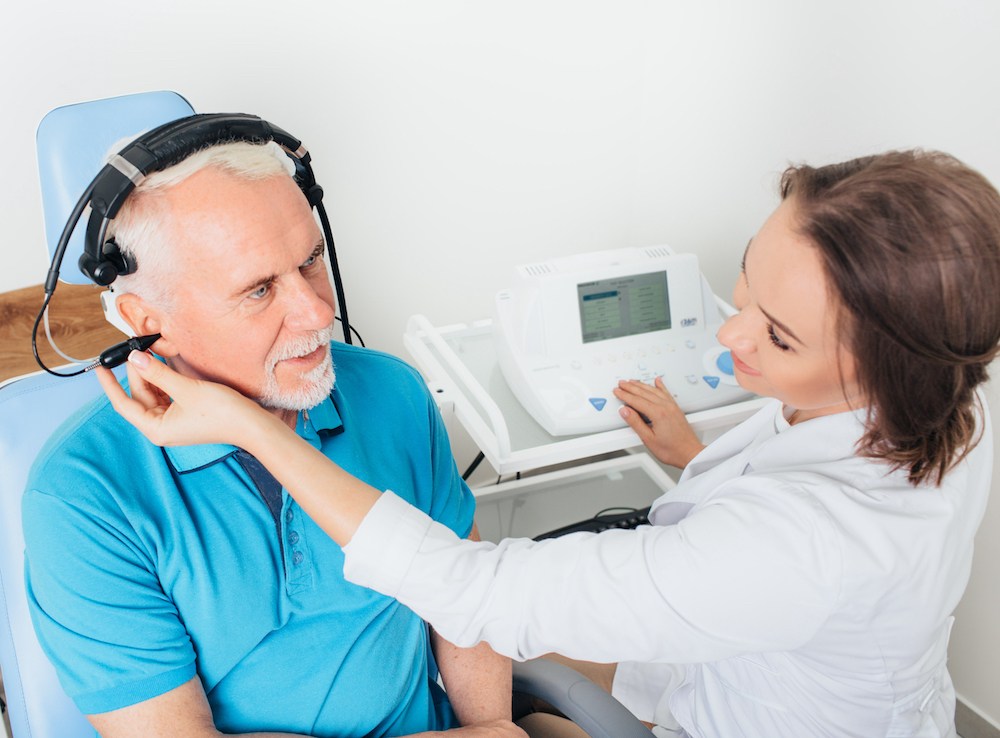
When you schedule a hearing test, it can help to know that it usually involves several different evaluations rather than just one quick exam. Each test looks at a specific part of the hearing system, like how well you detect sounds at different volumes, how your middle ear is working or how sound is processed by the inner ear.

An audiologist will choose the tests that best match your situation and the concerns you’ve shared. Understanding the purpose of these evaluations can make the process feel more straightforward and give you a clearer idea of how audiologists assess your overall hearing health.

What Hearing Tests Do and Why They Are Important

Hearing tests measure how well you hear different sounds and tones. They also help an audiologist understand if you have trouble hearing certain words or pitches.

These tests are valuable for several reasons:

  • They identify the type and level of your hearing loss.
  • They help an audiologist select the best treatment for you.
  • They track changes in your hearing over time.
  • They ensure that devices like hearing aids are set up properly.

How Hearing Tests Identify Different Types of Hearing Loss

Hearing tests do more than check if you can hear sounds. They help to determine what kind of hearing loss you may have. Some tests look at how sound moves through your ear, while others measure how clearly you understand words at different volumes.

Understanding the type of hearing loss you have allows an audiologist to recommend the most effective solutions. It also helps to monitor your hearing over time and make adjustments as needed. This information gives you a clearer picture of your hearing health and helps you get the right support when necessary.

Pure-Tone Audiometry and Measuring Your Hearing Range

Pure-tone audiometry is one of the most common ways audiologists measure your hearing range. During this test, you sit in a quiet room with headphones and listen for beeps at different pitches and volumes.

Each time you hear a sound, you signal that you noticed it, even if it is very soft. The results are then charted on an audiogram, which shows the quietest sounds you can hear across several frequencies.

This helps identify which tones are hardest for you to detect and gives a clear picture of how your hearing is working overall.

Bone Conduction Testing and Pinpointing Where Hearing Loss Occurs

Bone conduction testing helps find out where in the ear your hearing loss may be happening. A small device is placed behind your ear, sending gentle vibrations through the bones of your skull to your inner ear.

Comparing results from bone conduction and air conduction tests, an audiologist can see if the issue is in the outer or middle ear or deeper in the inner ear. This information helps to choose the best treatment options for you.

Acoustic Reflex Testing and How Your Ears Respond to Loud Sounds

Acoustic reflex testing checks how the muscles in your middle ear respond to loud sounds. When a loud noise is played, these muscles should tighten to protect your inner ear.

This test shows if these protective reflexes are working properly. If the reflex is weaker or does not happen, it can provide clues about possible issues in the ear or along the nerve pathways involved in hearing.

Speech Recognition Tests and Understanding Words in Background Noise

Speech recognition tests measure how well you understand spoken words in both quiet and noisy settings. These tests help see if background noise makes it harder for you to follow conversations.

During a speech recognition test, you may be asked to:

  • Listen to and repeat words or sentences through headphones.
  • Respond to speech with different levels of background noise, like people talking or music.
  • Show how many words you can correctly repeat in both quiet and noisy environments.

Tympanometry and Checking Middle Ear Health

Tympanometry is a quick test that checks how well your eardrum and middle ear are working. Many children experience at least one ear infection by age three, and tympanometry can help an audiologist find signs of fluid or pressure problems in the middle ear that may affect hearing.

Otoacoustic Emissions (OAE) Testing for Inner Ear Function

Otoacoustic emissions testing checks how well the tiny hair cells in your inner ear are working. This test is quick and comfortable.

During OAE testing, a small, soft tip is placed in your ear canal. Sounds are played through the tip, and a microphone measures the response from your inner ear.

If you feel nervous or have questions about this test, let your audiologist know. They will explain each step and make sure you feel comfortable throughout the process.

What Happens During a Hearing Test and What to Do Next

During a hearing test, you will sit in a quiet room or booth and listen to different sounds through headphones. Your audiologist will ask you to press a button or raise your hand each time you hear a sound and may also ask you to repeat words or sentences.

After the test, your audiologist will explain your results in simple terms. If hearing loss is found, discuss next steps like trying hearing aids or scheduling follow-up visits.

Taking Charge of Your Hearing Health with the Right Tests

Learning about the different types of hearing tests can help you feel more confident about your hearing health.

Each test provides important details about how you hear, making it easier for an audiologist to recommend solutions that fit your needs. Regular testing helps keep track of any changes so that small issues do not become larger ones.

If you have noticed changes in your hearing or want to check that everything is working as it should, schedule an appointment with an audiologist. A complete hearing test can provide clear answers and help guide your care plan, supporting better communication and helping you stay connected with what matters most.