Many of the sounds we hear throughout the day are part of everyday life, but some can quietly affect our hearing over time. Noisy environments like construction zones, crowded events or even listening to music at high volumes can gradually cause hearing loss. Because noise-induced hearing loss usually develops slowly, it can go unnoticed until communication becomes more difficult.

Noise-related hearing changes are different from those caused by age or genetics, and they can often be avoided with the right steps. Learning which sounds carry the most risk and wearing proper hearing protection in loud settings can help limit long-term damage. So, how can you prevent noise-induced hearing loss?

How Loud Sounds Can Impact Your Hearing Over Time

Over time, your ears can be affected by sounds that are louder than what they are built to handle. Daily exposure to things like heavy traffic, loud music or equipment at work can gradually wear down the inner parts of your ear responsible for picking up sound. This kind of damage usually does not happen all at once, so it is easy to miss the early signs. You might start noticing that voices sound less clear or that background noise makes conversations harder to follow. Being aware of how loud your environment is and how long you are exposed to it can help reduce the chance of long-term hearing changes.

Everyday Places Where You Might Encounter Harmful Noise

Loud noise isn’t just found at concerts or construction sites. It can also be present in everyday places like restaurants, sporting events or movie theaters. Even short visits to these spots can add up over time. Knowing which places are noisy helps you decide when to wear hearing protection or take breaks. Social events and entertainment are enjoyable, but sometimes the volume puts your ears at risk if you stay too long or the sound is too loud.

Everyday Activities That May Increase Your Risk

Some common activities can affect your hearing without you realizing it. Listening to music through headphones or earbuds at high volume for long periods is one example. Using loud appliances like hair dryers, blenders or vacuum cleaners often can also be a risk. Hobbies like woodworking or riding motorcycles can expose you to high sound levels as well. Being aware of how loud and how often you do these activities helps you make safer choices for your hearing.

Knowing What Makes Sound Levels Unsafe for Your Ears

Sound is measured in decibels (dBs). Noises above 70dBs can be harmful if you’re exposed for a long time. For example, city traffic or a busy restaurant might reach about 85dBs, while concerts, power tools or sirens can be much louder – sometimes over 100dBs. The louder the sound and the longer you’re around it, the higher your risk for hearing loss. If you need to raise your voice to talk to someone nearby, the noise level may not be safe. Paying attention to these signs can help protect your ears.

Why the Length of Time Around Loud Noise Matters

How long you spend in noisy environments is just as important as how loud those sounds are. Even if the noise isn’t extremely loud, staying in it for a long time can still harm your hearing. Consider these situations and think about how much time you spend in each one:

  • Working with power tools or lawn equipment for more than an hour.
  • Listening to music through headphones at high volume during a long workout or commute.
  • Attending sports games, concerts or festivals that last several hours.

Noticing The First Signs That Noise Is Affecting Your Hearing

Early signs of hearing changes can be easy to miss. You might find that voices sound muffled or it’s harder to understand people in busy places. Turning up the TV or asking others to repeat themselves more often could also be warning signs. Noticing these changes early helps you take steps before hearing loss becomes worse.

Choosing The Right Gear To Protect Your Ears From Loud Sounds

There are several types of hearing protection available. Earplugs and earmuffs are two of the most common options. Earplugs fit inside your ear canal and are useful for concerts, sporting events or when using power tools. Earmuffs cover your whole ear and work well in very noisy places like construction sites or when mowing the lawn. Make sure your hearing protection fits properly for the best results.

Simple Ways To Lower Your Risk At Work And During Free Time

Protecting your hearing doesn’t have to be difficult. Wear hearing protection when you know you’ll be around loud sounds, keep the volume at a safe level when listening to music or watching TV, take regular breaks from noisy environments and ask about noise safety at work if needed.

Knowing When It Is Important to Visit an Audiologist

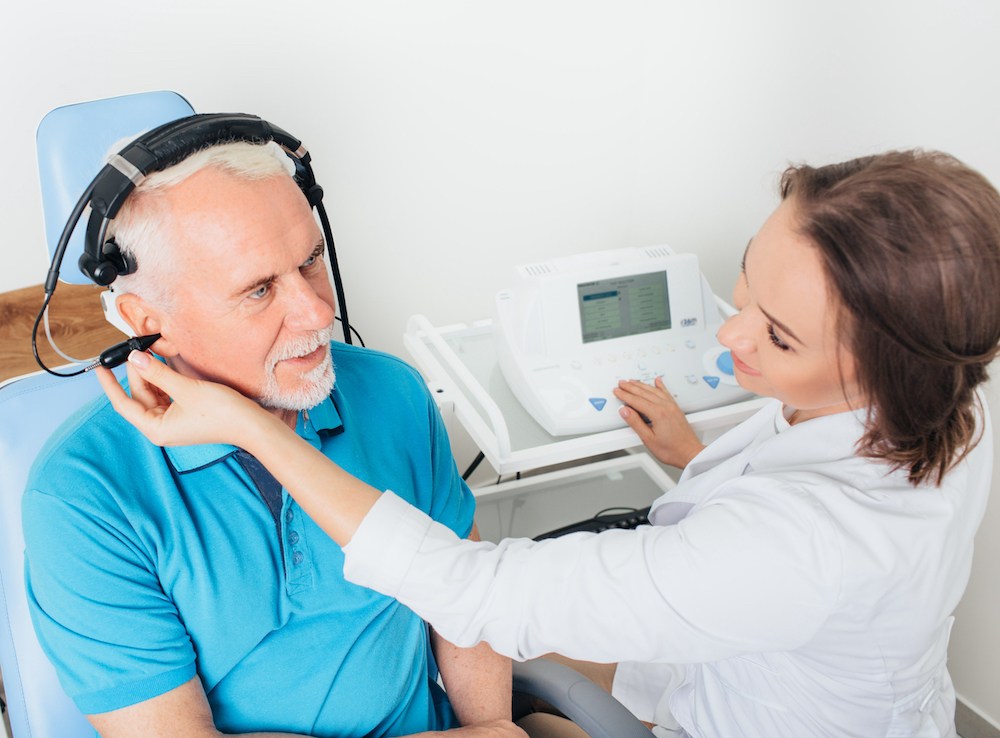
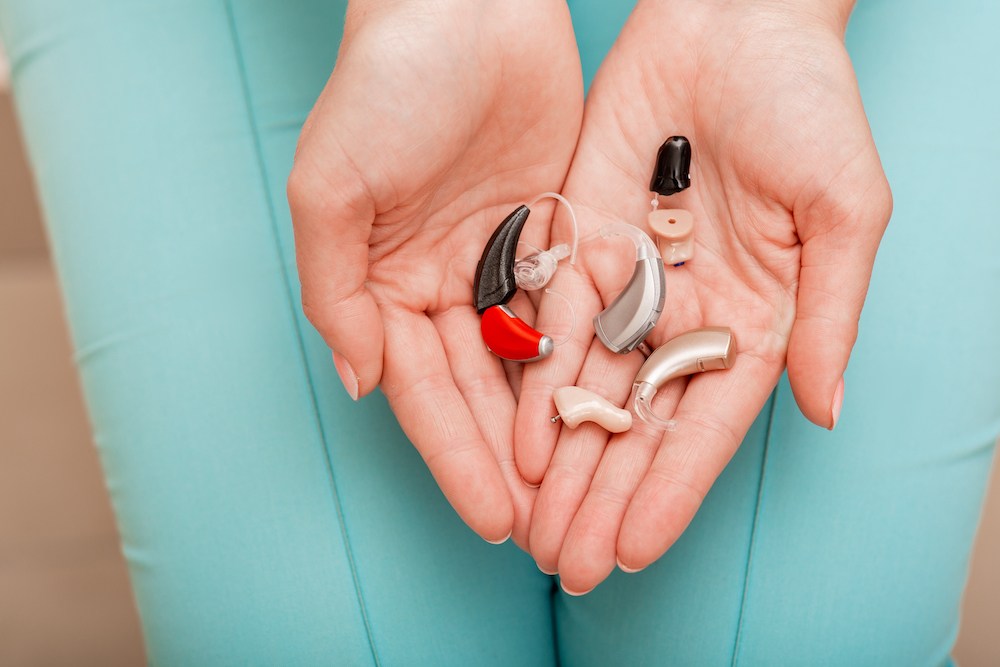
Regular check-ins with an audiologist can play a key role in protecting your hearing, especially if you spend time in loud environments. Whether your job involves heavy equipment, or you enjoy activities like concerts or using headphones often, an audiologist can help you understand how sound exposure may be affecting your hearing over time. An audiologist can recommend hearing protection options that fit your lifestyle and make adjustments if your needs change.

Visiting an audiologist is also a chance to learn more about how your hearing works and how to care for it. They can explain what safe listening levels are and suggest changes to your daily routine that can make a big difference. For example, they might offer tips for adjusting volume levels, taking listening breaks or choosing the right ear protection for different settings. Taking the time to have these conversations helps ensure you’re making informed choices that support your long-term hearing health.

Keeping Your Hearing Safe

Taking care of your hearing is an important part of maintaining your quality of life. Simple actions like wearing ear protection, turning down the volume and paying attention to early signs of changes can help prevent permanent hearing loss. If you have concerns about your hearing or want advice on protecting your ears, reaching out to a professional can provide helpful guidance.

An audiologist is available to answer questions about noise-induced hearing loss and offer support that fits your needs. If you want to learn more, schedule an appointment with an audiologist. Taking steps now can help you enjoy clear conversations and the sounds you care about for years to come.